

What is Discrimination?
Discrimination involves treating an employee or applicant unfairly based on protected characteristics such as race, gender, religion, age (40 or older), or disability. This can manifest in discipline, hiring, firing, promotions, or job assignments.
Victims of job discrimination may be entitled to various damages, including reinstatement or promotion, lost wages, compensatory damages (defamation, mental anguish), punitive damages and attorney fees. We have represented both employees and employers in discrimination claims. Understanding your rights is the first step to protecting those rights.

Workplace Harassment and What to Do.
Harassment includes unwelcome conduct that is based on race, color, religion, sex (including pregnancy), national origin, age (40 or older), disability, or genetic information. It becomes illegal when enduring the offensive conduct becomes a condition of continued employment.
If you are an individual and you feel that you have been a victim of harassment at work, the first step is to report that harassment to the employer. In this instance, you absolutely cannot be shy about the report. If there is no report, or if the report is not explicit about what happened, you may have wasted the best opportunity to resolve the situation. This means that you may have to graphically describe what happened.
When you report unlawful harassment, your employer is obligated to take “prompt and appropriate” legal action to end the harassment. This is where the employer must take some action and, if you are business owner, you need to immediately get an attorney involved. If the company takes no steps to investigate or end the harassment (or if the company does not have an anti-harassment policy), there may be no defense to a subsequent lawsuit.

What are Damages for Discrimination?
If an employee has been terminated for a discriminatory or retaliatory reason, the law will permit him or her to recover different elements of damages. The most basic type of damage claim is for lost wages and benefits. This is known as backpay.
Depending on the facts of the case, the employee may also be able to recover damages for humiliation and embarrassment, loss of enjoyment of life, mental and emotional pain and suffering. These are known as compensatory damages. In addition to these types of damages, an employee who has suffered an adverse job action may recover punitive damages.
When it comes to calculating damages, you need to talk to an experience attorney. Discrimination and retaliation claims have different damages than harassment claims.
Most laws which prohibit employment discrimination and retaliation also permit the recovery of attorney’s fees and suit expenses.

Federal Anti-Discrimination Laws
There are several federal anti-discrimination laws. Title VII of the Civil Rights Act protects against discrimination based on race, color, religion, sex, and national origin. The Americans with Disabilities Act protects against disability discrimination and requires accommodations for people with disabilities. The Age Discrimination in Employment Act protects workers over 40 years old. We help you understand these protections and how they apply to your situation.
Reporting and Taking Action
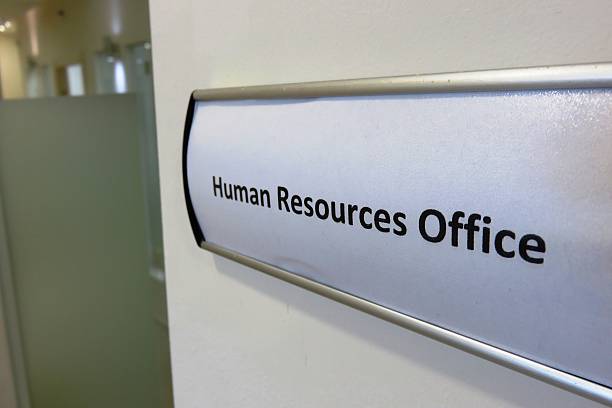
If you have been the victim of discrimination or harassment in the workplace, the first step is to report it. However, there are requirements for reporting that have to be met in order to ensure you are protected. There are also certain things you cannot do when making a report of discrimination or harassment. Knowing how to make these reports is vital to protecting your employment. We can help guide you through the process, ensuring your voice is heard and appropriate action is taken to address the issue.

State Laws and Protections
We live and work in Tennessee. As a result, we understand the laws of our state. Tennessee state law provides many of the same protections as federal law, but it applies to smaller employers. We can help you understand these differences and how they can work to eliminate discrimination and harassment in the workplace.